August 2026
Valuing Different Perspectives
At ercol, we’ve always believed in creating opportunities for everyone in what has traditionally been a male-dominated industry.
Alongside the growth of our apprenticeship programmes, this commitment has helped us build a team that is more diverse, inclusive and representative than ever.
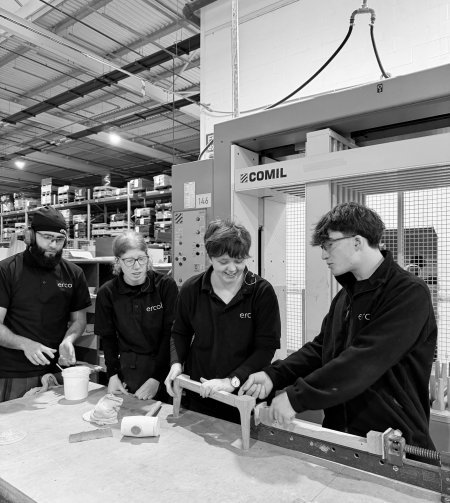
Every apprenticeship offered at ercol is open to anyone with the enthusiasm and potential to succeed.
Furniture-making, like many skilled trades, has historically been a male-dominated profession – but not because women lacked the ability or desire to do the work. For centuries, skilled trades such as furniture-making were largely closed to women through the guild systems that controlled entry to the profession. Legal restrictions also played a significant role. Craftspeople needed to be able to sign contracts, own tools and hold property, rights that were often denied to women, who were frequently treated as legal dependants of their father or husband.
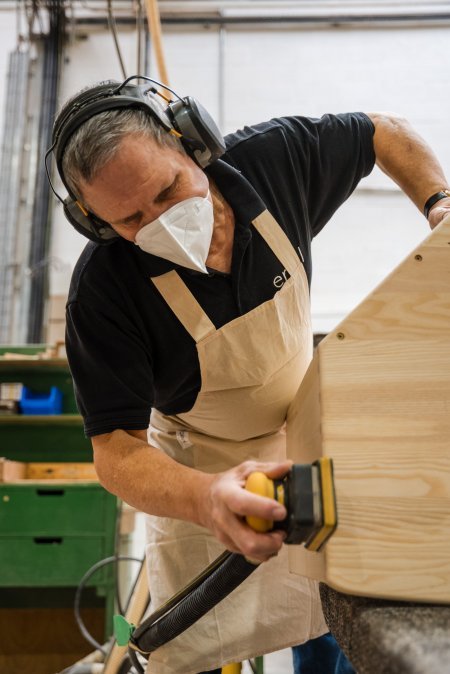
For centuries, skilled trades such as furniture-making were largely closed to women through the guild systems that controlled entry to the profession.
During this period, women were engaged in highly skilled and demanding work, including weaving, lace-making and embroidery. However, because these activities were not recognised by the guilds, they were often undervalued, unpaid or viewed as domestic rather than professional crafts.
Although many of these formal barriers began to disappear from the 18th century onwards, access to skilled trades continued to be shaped by informal networks, with knowledge and opportunities often passed between fathers, uncles, brothers and sons. As a result, furniture-making remained a profession where women were significantly underrepresented for generations, reinforcing the perception that it was a career for men.
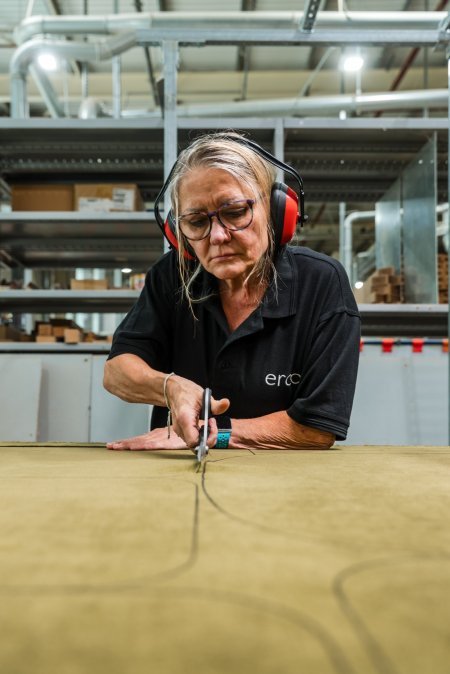
Women have always been engaged in highly skilled and demanding work.
While the industry has made significant progress, there is still work to do to ensure that everyone feels welcome and able to thrive, regardless of gender or background. At ercol, we're proud of the progress we've made. Visit our factory today and you'll find people of all genders working across our production teams; operating machinery and precision equipment, applying stains and finishes, sanding furniture by hand, upholstering, packing products for dispatch and much more.
Our apprentice, Laura, has been learning from her section leader, Graeme’s 47 years of experience.
We're also helping to challenge outdated assumptions across the wider business. Alongside the growing number of women in manufacturing and production roles, we have more men working in areas that have traditionally attracted a predominantly female workforce, including marketing, HR and administration. We believe careers should be shaped by talent, interests and ambition, not by outdated stereotypes.
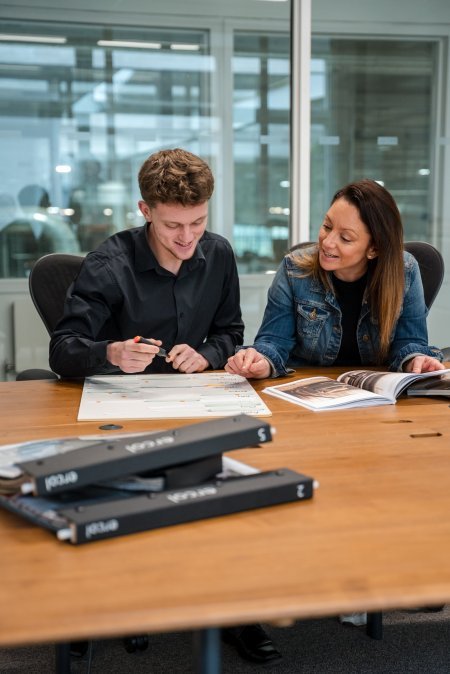
Kai passed his Marketing apprenticeship in Nov 2025 and now manages key responsibilities within ercol
This shift has been supported by the changing nature of apprenticeships, which now span office-based, technical and manufacturing roles. Every apprenticeship at ercol is open to anyone with the enthusiasm and potential to succeed, and we have apprentices from a wide range of backgrounds building careers across every part of our business. Many go on to secure permanent roles and progress into positions of significant responsibility.
Apprenticeships also create opportunities for people with different educational experiences and career ambitions. Some of our apprentices knew they wanted a practical, hands-on career from an early age, while others chose a vocational route over traditional further or higher education. By recognising different strengths and learning styles, we're able to attract talented people who might otherwise have overlooked a career in furniture-making.
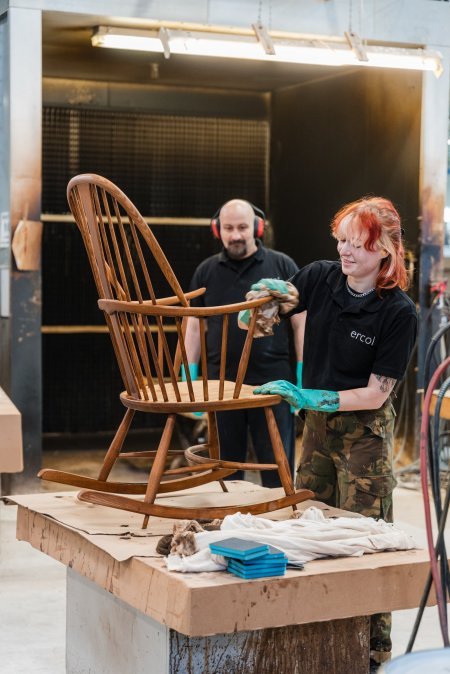
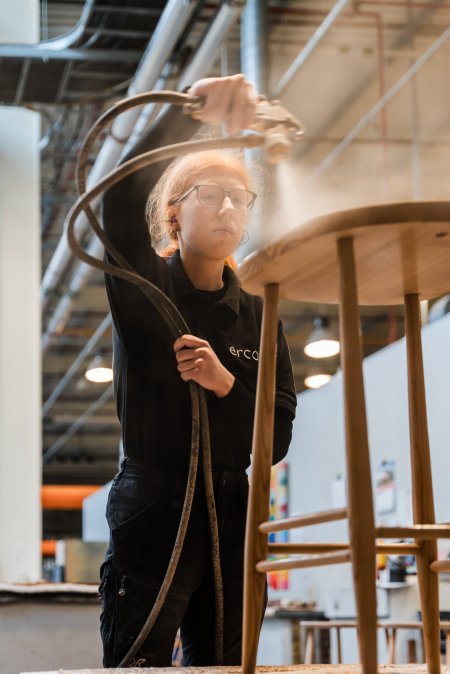
Our apprentice, Leah, being taught the trade of polishing by our experienced polisher, Sorin.
Our workforce also benefits from a broad mix of ages and experience. Our youngest colleagues join us straight from school or college, while more than half of our workforce are aged over 50. We benefit enormously from the knowledge, craftsmanship and experience they share with newer generations, helping to preserve traditional skills while supporting fresh ideas and innovation.
Creating equal opportunities benefits everyone. A diverse workforce strengthens our business by bringing together people with different backgrounds, perspectives, experiences and ways of thinking. That diversity of thought encourages creativity, innovation and better decision-making – qualities that are essential in a business like ours, where we're continually looking for new design inspiration, smarter ways of working and improvements across every aspect of our operations.
Furniture-making may still be a male-dominated industry, but at ercol we're committed to creating an environment where everyone has the opportunity to build a rewarding career. Ultimately, we're proud to be a business built around people, their skills, their ideas and the unique contribution each individual brings.
If you would like to keep updated with the latest blogs, new arrivals and the latest offers from ercol, you can sign up to our newsletter here.